The Worst Time to Prepare for a Layoff Is After It Happens
5 minute read / by Sam Daugherty / June 6th, 2025
Share
Layoffs don't seem to come with a warning, at least not here in the United States. Mine certainly didn't and I was left confused and bewildered after the pre-recorded video call ended. How did this happen? Why didn't I see it coming? Why was it so impersonal and cold? Everything I'm about to share with you, I learned the hard way.

Photo by Johann Walter Bantz on Unsplash
So there I am, working away, when a meeting pops up on my calendar. It's scheduled bright and early the next day, at 9am, and the whole company is invited. I was immediately curious, because the meeting invite lacked any sort of information on what it was about. The next day, I signed in to find a simple recorded message: The company was burning cash, things were looking grim, and they had to let us go.
Half of the company staff gone in the four minutes it took to watch the video. In those four minutes, I already lost access to every platform and technology the company had. No messages, no emails, and no access to any of my work. The fuck?! How was I going to update a portfolio, write case studies, and show my work when I no longer had access to any of it?.
The panic was intense.
It Doesn't Have to Be This Way
It happens to most of us at some point, but you don't have to be blindsided and unprepared like I was. I had to learn these lessons the hard way, but my goal is that you never have to.

Photo by Tom Pumford on Unsplash
First, a couple things to be aware of. Like it or not, you need to face these truths:
No job is guaranteed to be forever. There are too many external factors affecting business growth and longevity. Economies crash, markets wane, and competition arrives. It happens.
Second, there are usually signs. Is the company reducing spending? Taking longer to approve expenses? Growing too fast without a plan? Look for the signs and stay diligent. You may not be privy to all of this information, but always keep an ear out for any news.
Lastly, sometimes there are no warning signs at all. But you can still be prepared. It's about preparation, consistency, and reflection. And, most importantly, doing all of this while you still have a job, before you ever need it.

Photo by Payam Tahery on Unsplash
1. Keep Track of the Work You're Doing
This may seem obvious, but people can often forget what they've worked on after just a few days. I keep a journal of the problems I'm solving, the lessons I'm learning, and the successes and failures of the project. I make notes about meeting discussions, product feedback, roadmap changes, and any success stories or pain points we discuss. Anything relevant to my work and, therefore, my portfolio, goes in these notes tagged #keepforlater.
Also, I keep examples of my work whenever I'm allowed (ask your manager for permission before downloading any files). In my journal entry, I'll link to the Figma files and note anything important, but I'll also download a copy of the project and keep it for future use in my personal Figma account. Remember, you can lose access to Figma without warning.
Ask your manager for permission before downloading any files or assets from your company projects
When I have some downtime, I compile the important stuff. In Day One, I'll review that #keepforlater tag and gather everything useful for an update, including links to relevant files and documents, and make sure to highlight any key metrics.
Doing all of this doesn't come naturally to me. I promise I'm not an overly-organized person. At first, I relied heavily on scheduled time in my calendar and reminders so I didn't forget to do it. Use whatever tools are necessary to maintain your momentum.
2. Update Your Resume and Portfolio Often
Using everything from the previous section, I update my resume and portfolio before it becomes urgent. I try to do this quarterly if I have anything worth adding. I even schedule a day to do it in my calendar so I don't forget.
I redefine my role if needed, update bullet points, the scope of my work, and make plans to update my portfolio with any new projects. This includes gathering screenshots, writing case studies, and actually publishing those updates (or at least saving them for later). If you do it regularly, it takes a few hours. If you wait 5 years to do it (speaking from experience), it will take weeks. Be sure to include successes, especially if you can quantify them (ie, after launching this new feature, conversions increased by 10%.).
This is the most important part about being prepared for a layoff. Especially the portfolio aspect if your field requires visuals. Writing case studies can be time-consuming and nerve-wracking on a good day; trying to do it in the fresh panic of being suddenly unemployed? That's a hard no from me.
3. Network, Network, Network
I can't stress this enough. Having great notes, a solid portfolio, and being prepared for interviews is only effective when you can land an interview. In the tech world, that almost always requires networking with recruiters or hiring managers. Which is why I continue to grow my network no matter regardless of employment status.
No sane person likes being on LinkedIn, so consider it a necessary evil if you really need to
I try to stay active on LinkedIn and stay connected with relevant recruiters in my field. Honestly, this works better than anything else I've ever tried. No sane person loves being on LinkedIn, so consider it a necessary evil if you really need to. But stay in contact with them and send them referrals whenever possible. If you know someone looking for a job, refer them. Being a resource to your network is better than constantly taking from it. Always give more than you take.
This can really help you land on your feet when the inevitable happens. When I got laid off a while back, I reached out to my network and said, "I got laid off, do you have any jobs that might work for me?" In the first week, I had 8 opportunities for screenings or interviews scheduled with hiring managers.
Am I lucky? Yeah. There's a bit of luck involved in that, especially with timing. In a down market, it may not have been so quick. But preparation and consistency will allow you to capitalize on that luck when it does come your way. Conversely, being unprepared will always set you back.
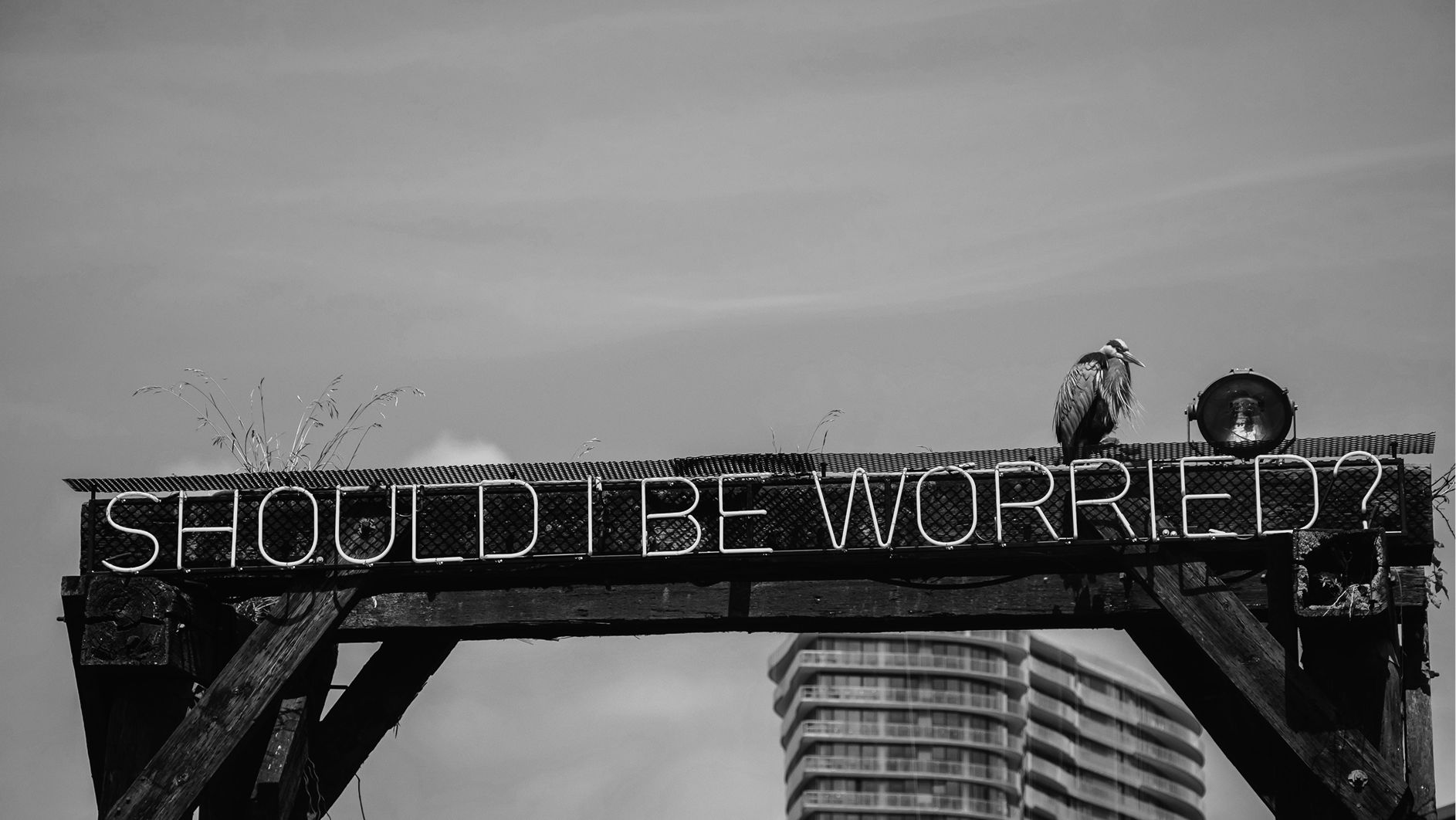
Photo by Danika Perkinson on Unsplash
The TL;DR
You can never be too prepared to be on the job hunt. With the corporate world the way it is, it's always a matter of when—not if—you get laid off. The best way to be prepared is to build the proper habits now, before you need to find a new job.
- Keep a daily/weekly journal of your work. Link any files/assets for every project, track the results and outcomes, and tag them with relevant comments to save for later.
- Periodically compile all of those notes and files into a case study or portfolio update, and check to make sure your resume is accurate with any job responsibility changes.
- Make a habit of networking. LinkedIn is great, but there are other places to do it as well, including local groups and meetups. And then be an asset to those connections. Don't just take from them; offer up recommendations, and offer to help when you can.
There's no better time to start preparing than right now.